I. Introduction to the College
The College of Ocean and Civil Engineering is a distinctive college established by Dalian Ocean University to meet the needs of the national marine development strategy. It is an important teaching unit for cultivating applied talents in marine-related engineering at Dalian Ocean University, as well as a significant teaching and scientific research platform for the university's water conservancy engineering discipline.
The college has two departments: the Civil and Water Conservancy Department and the Building Technology Department, offering a total of four undergraduate programs. The Civil and Water Conservancy Department includes two programs: Port, Waterway and Coastal Engineering, and Civil Engineering. The Building Technology Department includes two programs: Water Supply and Drainage Science and Engineering, and Building Environment and Energy Application Engineering. After years of development, the Port, Waterway and Coastal Engineering program has evolved into a third-batch National Characteristic Program, a National Comprehensive Reform Pilot Program, and a Liaoning Provincial First-class Undergraduate Program Construction Site. The Civil Engineering program is a Liaoning Provincial Engineering Talent Cultivation Model Reform Pilot Program, a Liaoning Provincial Demonstration Program for Transformation to Applied Education in Ordinary Higher Education Institutions, and a Liaoning Provincial First-class Undergraduate Program Construction Site.
The college offers one first-level discipline master's degree program in Water Conservancy Engineering and one professional master's degree program in Civil and Water Conservancy Engineering. The first-level discipline master's degree program in Water Conservancy Engineering includes three disciplinary directions: Port, Coastal and Offshore Engineering, Hydraulic Structure Engineering, and Hydraulics and River Dynamics. The professional master's degree program in Civil and Water Conservancy Engineering covers four fields: Civil Engineering, Water Conservancy Engineering, Artificial Environment Engineering, and Municipal Engineering.
The college currently has two university-level experimental teaching centers, one provincial-level marine engineering experimental teaching demonstration center, one Dalian Coastal Engineering Technology Research Center, and one external service agency—Dalian Aquatic Products Planning and Design Research Institute Co., Ltd. (a subsidiary enterprise of the university, mainly engaged in fishery port planning and design).
The college currently has 66 faculty and staff members, including 56 full-time teachers. Among them, there are 6 professors (10.7%), 15 associate professors (26.8%), and 48 teachers under 45 years old (85.7%). Forty-four full-time teachers hold doctoral degrees, accounting for 78.6%. The faculty includes 2 Liaoning Provincial Teaching Masters, 3 candidates of the Liaoning Hundred, Thousand, and Ten Thousand Talents Project at the Thousand level, 2 at the Ten Thousand level, 3 Liaoning Provincial Higher Education Outstanding Talents, 1 Liaoning Provincial Higher Education Outstanding Young Backbone Teacher, and 2 Dalian Science and Technology Stars.
In recent years, the college has undertaken nearly 10 national-level projects and multiple provincial/ministerial-level projects in teaching and scientific research. It has received 1 first prize of the Ministry of Education Science and Technology Progress Award, 1 first prize of the Provincial Science and Technology Progress Award, 1 second prize of the Provincial Science and Technology Progress Award, 1 second prize of the Provincial Teaching Achievement Award, and 1 third prize of the Provincial Teaching Achievement Award.
The college has established cooperative relationships in scientific research and talent cultivation with nearly 10 universities and research institutions, including Dalian University of Technology, Hohai University, Ocean University of China, and Tianjin Research Institute for Water Transport Engineering of the Ministry of Transport.
The college adheres to the guidance of Xi Jinping Thought on Socialism with Chinese Characteristics for a New Era, thoroughly implements Xi Jinping's important expositions on education and the construction of a strong maritime nation, upholds the college motto of Upholding Virtue and Valuing Ability, Mastering Skills to Revitalize the Sea, closely integrates with the college's disciplinary characteristics and advantages, persists in connotation-driven development, maintains integrity while innovating, and advances bravely and resolutely, accelerating progress toward the goal of becoming a high-level maritime university, demonstrating greater responsibility and accomplishment in striving to compose the maritime chapter and Liaoning chapter of Chinese-style modernization.
Development History:
1978 Fishery Harbor Engineering Department
1994 Aquatic Civil Engineering Department
1996 Civil Engineering Department
2002 College of Civil Engineering
2011 College of Ocean and Civil Engineering
II. Scientific Research Achievements and Research Teams
Port, Coastal and Offshore Engineering Team
The Port, Coastal and Offshore Engineering Team is led by Professor Chen Changping. It has hosted 4 National Natural Science Foundation General Projects and over 10 provincial/ministerial-level projects, achieving innovative research results. The team has published the translated work Structure and Application of Metal Cages for Marine Aquaculture Facilities, compiled the Liaoning Provincial Local Standard Technical Regulations for Fish Farming in Metal Frame Cages, published 18 related papers, and obtained 9 patents. Relevant research achievements have received 1 first prize and 1 second prize of the Ministry of Education Science and Technology Progress Award, as well as 1 first prize and 1 second prize of the Liaoning Provincial Science and Technology Progress Award.
1. Research on Deep-water Cages
For flexible and rigid netting, based on physical model test results and relying on fluid dynamics software, hydrodynamic calculation models for two types of netting with different elasticities were established. On this basis, mathematical models for hydrodynamic response of single and multiple grid-type deep-water cages were developed. For metal cages, hydrodynamic numerical simulation of metal netting was completed. In terms of model testing: combining variable-scale model similarity criteria, hydrodynamic characteristic tests were conducted for whole cages with flexible netting and metal netting under various anchoring forms and combinations in distant sea conditions.
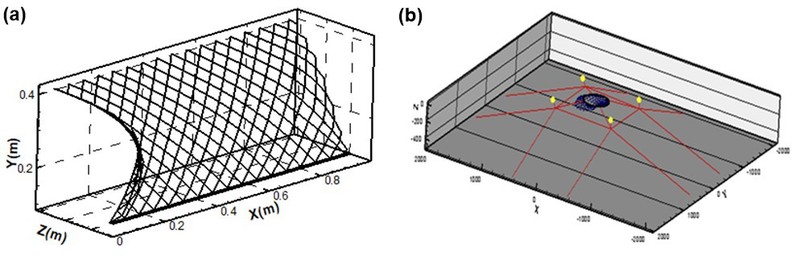
Study on Hydrodynamic Characteristics of Cages (a) Schematic diagram of numerical simulation calculation results for planar flexible netting; (b) Schematic diagram of numerical simulation calculation results for single grid-type gravity deep-water cage
2. Research on Floating Aquaculture Platforms
For semi-submersible aquaculture platforms, research on hydrodynamic characteristics under different marine environmental conditions, operational states, and mooring methods was conducted. Based on artificial intelligence methods, an intelligent prediction model for hydrodynamic characteristics of semi-submersible aquaculture platforms was established, providing technical support for the design and development of distant sea floating aquaculture engineering equipment.
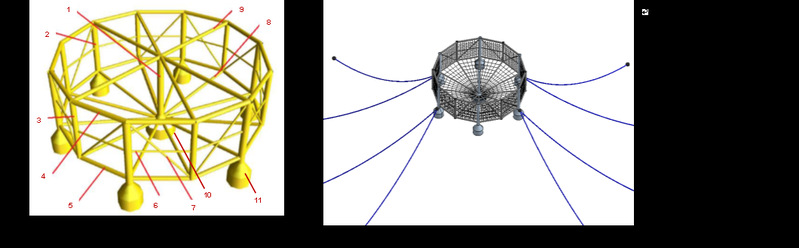
Hydrodynamic Performance Analysis of Semi-submersible Aquaculture Platform
3. Research on Aquaculture Vessels
The Facility Fisheries Research Team actively conducts research in the field of aquaculture vessels, exploring new land-sea relay aquaculture models (cruising open-sea aquaculture vessel mode), mastering the design technology for converting bulk carriers into open-sea aquaculture vessels. For the first time in China, physical model tests for open-sea aquaculture vessels were conducted, obtaining motion responses of aquaculture vessels and flow field changes inside the cabins under different environmental conditions and working states. The research achievements are at the leading domestic level.
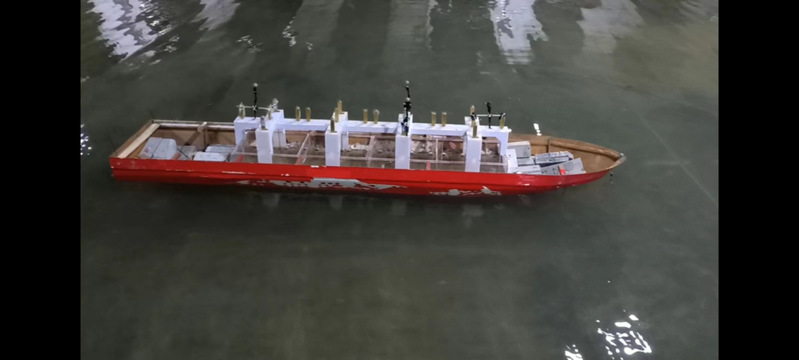
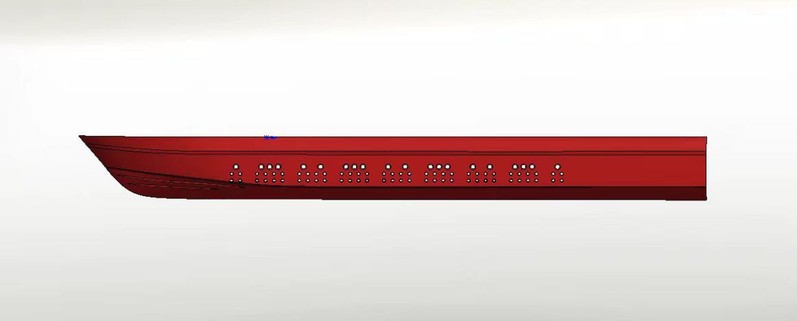
Hydrodynamic Analysis of Open-sea Aquaculture Vessel (a) Physical model test layout diagram; (b) Hydrodynamic calculation model diagram
Engineering Structure Research Team
The Engineering Structure Research Team focuses on the core needs of safety and performance enhancement of key engineering structures in fields such as water conservancy and civil engineering. It has formed a professional research team with young and middle-aged academic backbones as the core, featuring a reasonable echelon structure and outstanding research capabilities. Team members cover multiple research directions including structural engineering, water conservancy engineering, and geotechnical engineering, possessing profound theoretical research foundations and rich engineering practical experience. They are long-term committed to solving frontier and key scientific problems and technical challenges in the field of engineering structures, providing solid scientific research support and technical guarantees for major engineering construction and renovation of old facilities.
The team has clear core research directions, forming three distinctive research fields that support each other and develop collaboratively:
1. Multi-scale Simulation Analysis of Hydraulic Concrete
Aiming at the performance degradation mechanism of hydraulic concrete structures under complex service environments, multi-scale simulation and experimental research from micro, meso to macro levels are conducted. By establishing multi-scale numerical models, the damage evolution laws of concrete materials and degradation mechanisms of structural mechanical properties are revealed, achieving accurate prediction of the service performance of hydraulic concrete structures, providing scientific methods and technical basis for optimal design of concrete materials, enhancement of structural durability, and life assessment.
2. Dynamic Response Analysis of Foundation-Structure Systems
Focusing on the interaction mechanism of foundation-structure systems under seismic dynamic loads, research on dynamic characteristic testing, numerical simulation, and catastrophe evolution laws is conducted. Key technologies such as dynamic coupling simulation of foundation-structure under complex geological conditions, dynamic response prediction, and optimization of seismic and disaster resistance performance are mainly tackled, providing core technical support for scheme optimization, structural seismic design, and safety protection of structures such as subway stations and hydraulic dams.
3. Bearing Capacity Assessment and Reinforcement of Old Structural Facilities
Addressing the aging and performance degradation problems of existing engineering structural facilities, research on accurate bearing capacity assessment, disease diagnosis, and reinforcement and renovation technologies is conducted. An old structure performance evaluation system based on the full life cycle is established, efficient, economical, and environmentally friendly new reinforcement materials and processes are developed, personalized reinforcement and renovation schemes are proposed, achieving safety performance improvement and service life extension of old structural facilities, providing technical guarantees and engineering demonstrations for ensuring the safety of existing engineering structures and promoting infrastructure renewal and renovation.
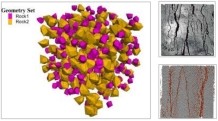
Meso-scale Numerical Simulation of Concrete
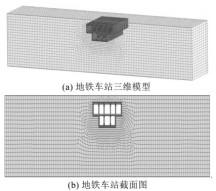
Foundation-Structure System Model
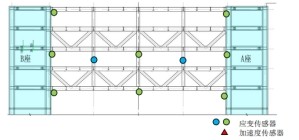
Reinforcement Engineering Layout Points
Aquaculture Water Environment Treatment and Resource Recovery Technology Team
1. Research Field
The Aquaculture Water Environment Treatment and Resource Recovery Technology Team focuses on the efficient removal of nitrogen and phosphorus from aquaculture tailwater as its core research direction. Targeting the characteristics of nitrogen and phosphorus pollutants in tailwater from different aquaculture models, the team develops efficient, low-cost, and easily promotable tailwater treatment technologies and equipment, constructing a nitrogen and phosphorus removal + recycling + resource recovery technical system. This effectively solves the eutrophication problem caused by tailwater discharge, achieves resource reuse of tailwater, assists in the transformation of aquaculture towards ecological environmental protection and quality and efficiency improvement, and lays a solid technical foundation for water environment governance in the industry's green development.
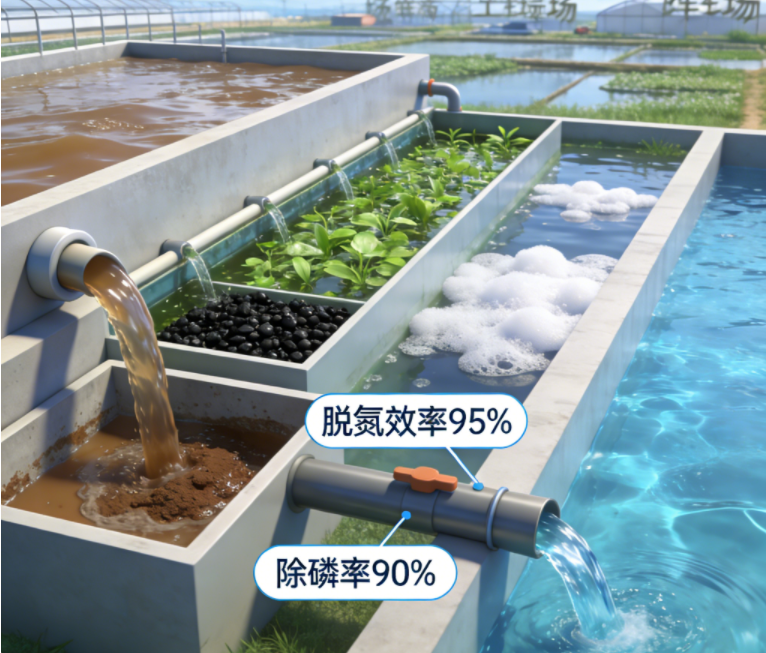
2. Research Achievements
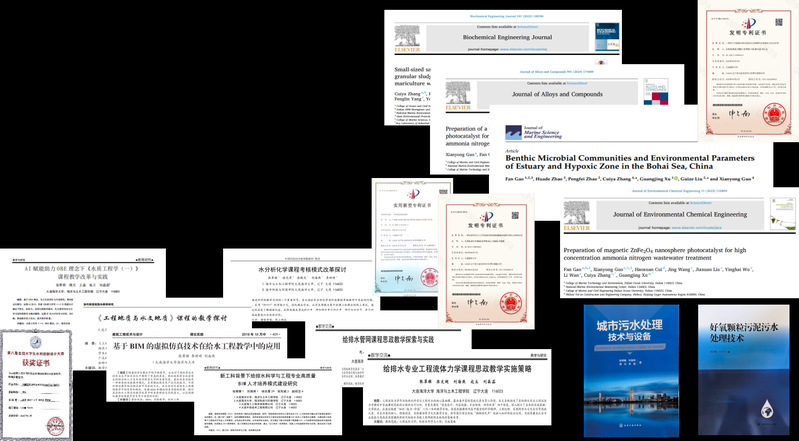
During the 14th Five-Year Plan period, the Aquaculture Water Environment Treatment and Resource Recovery Technology Team has hosted 11 scientific research projects from the Liaoning Provincial Department of Science and Technology, Liaoning Provincial Department of Education, the Ministry of Education Key Laboratory of Facility Fisheries, and Dalian Ocean University. The team has participated in 1 National Natural Science Foundation General Project and 2 Youth Fund Projects. It has published 11 SCI papers, 11 Peking University Core papers, 14 national and provincial scientific research papers, and 18 teaching reform papers. The team has applied for and obtained 6 invention patents, 4 utility model patents, 2 software copyrights, and published 4 monographs, 3 of which were published by Top 100 publishing houses.
Facility Agriculture Energy Saving and Emission Reduction Technology Team
1. Research Field
Focusing on the high energy consumption and carbon emission issues in facility agriculture, and centered on the core objectives of improving energy utilization efficiency and reducing emissions while increasing efficiency, the Facility Agriculture Energy Saving and Emission Reduction Technology Team conducts interdisciplinary research. Key areas include: optimization of northern solar greenhouse structures and energy-saving technologies, multi-energy synergistic comprehensive utilization and carbon sink reduction key technologies in fishery production, integration of PV/T solar energy coupled with air-source heat pump systems, application of seawater desalination technology in agricultural water resource security, and construction of artificial environment intelligent regulation systems based on new energy and advanced energy storage. Through technological innovation and system integration, the team aims to provide efficient, clean, and low-carbon energy solutions for facility agriculture, assisting in the implementation of the national dual carbon strategy.
2. Research Achievements
During the 14th Five-Year Plan period, the Facility Agriculture Energy Saving and Emission Reduction Technology Team has hosted and participated in over 30 national, provincial, municipal, and enterprise horizontal projects. The team has published more than 50 SCI, EI, and Chinese core papers, and received over 10 awards including: 1 first prize of Liaoning Provincial Science and Technology Progress Award, 2 second prizes of Liaoning Provincial Science and Technology Progress Award, 2 third prizes of Liaoning Provincial Science and Technology Progress Award, 1 second prize of Heilongjiang Provincial Science and Technology Progress Award, and 1 third prize of the National Agriculture, Animal Husbandry and Fishery Harvest Award. The team has published 2 monographs.
III. Disciplines and Programs
1. Port, Waterway and Coastal Engineering Program
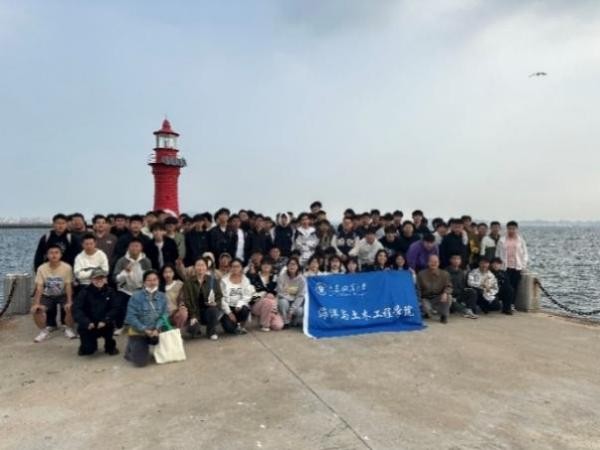
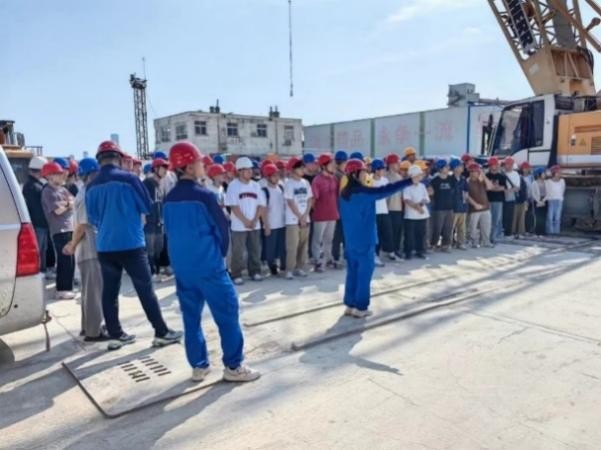
The Port, Waterway and Coastal Engineering program was established in 1978, with a continuous 46-year history of education. The program was approved as a Liaoning Provincial Ordinary Higher Education Undergraduate Demonstration Program in 2007, a National Higher Education Characteristic Program Construction Site in 2008, a Liaoning Provincial Ordinary Higher Education Undergraduate Comprehensive Reform Pilot Program Construction Project in 2011, the first batch of National Undergraduate Program Comprehensive Reform Pilots for Local Colleges under the Undergraduate Teaching Project in 2013, selected as one of Liaoning Province's first batch of first-class undergraduate education demonstration program construction projects in 2018, and approved as a provincial first-class undergraduate program construction site in 2019. The Port Engineering Teaching Team was rated as a provincial teaching team in 2009. The program has a reasonable teaching echelon, currently with 19 full-time teachers, including 3 professors and 3 associate professors; 15 hold doctoral degrees and 3 hold master's degrees. The teachers' professional titles, educational background structure, academic origin structure, and age distribution are reasonable. The program also has 6 external part-time teachers, all of whom are senior engineers.
Program Characteristics and Career Prospects
Program Characteristics: As the only applied program in China mainly focused on cultivating fishery port construction engineering talents, the program adheres to the philosophy of what others don't have, I have; what others have, I excel in, is outcome-oriented, and persists in closely integrating industry-university-research with social needs to serve national development. The program emphasizes the supporting role of practical teaching and student scientific and technological activities for employment. Students acquire comprehensive knowledge, broad perspectives, and flexible employment options.
Career Prospects: Graduates of this program have broad employment opportunities, mainly working in the fields of port, waterway, and coastal engineering. They can also work in related fields such as water conservancy engineering and civil engineering, or continue to pursue master's degrees in related disciplines such as water conservancy and civil engineering.
2. Civil Engineering Program
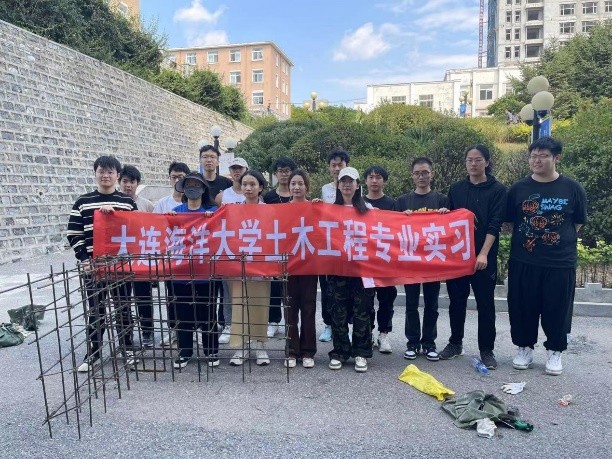
The Civil Engineering program was established in 1983, with its predecessor being the Industrial and Civil Architecture program. It enrolled two undergraduate cohorts in 1983 and 1984, and subsequently enrolled at the college level. It resumed undergraduate enrollment in 1993 and continues to this day. Currently, it includes two program directions: Architectural Engineering, and Road and Bridge Engineering. In 2013, it was approved as a Liaoning Provincial Engineering Talent Cultivation Model Reform Pilot Program; in 2015, it was approved as a provincial pilot program for transformation to applied education and an off-campus practical education base for college students; in 2017, it was approved as a provincial demonstration program for transformation to applied education; and in 2019, it was approved as a provincial first-class undergraduate program construction site. Currently, the Civil Engineering program has a teaching team with high educational levels, rich teaching experience, and strong engineering practical abilities. There are 18 full-time teachers and 9 external part-time teachers. Among the full-time teachers, there are 2 professors and 4 associate professors. Fifteen full-time teachers hold doctoral degrees. Over 70% of the teachers have worked in enterprises or participated in engineering technical services, among whom 4 are dual-qualified teachers with national registered professional qualification certificates.
Program Characteristics and Career Prospects:
Program Characteristics: Emphasizing the cultivation of students' engineering practical abilities, based on the guiding ideology of applied program construction, and taking industry-education integration and school-enterprise cooperation as the main path for applied talent cultivation reform and innovation, a new applied talent cultivation model of integration of knowledge and practice, school-enterprise collaboration has gradually been formed.
Career Prospects: Graduates of this program mainly serve in the field of civil engineering construction, and can engage in civil engineering surveying, design, construction, management and operation, and technical development. At the same time, graduates of this program also have broad development prospects in the fields of port, waterway engineering, and fishery port engineering.
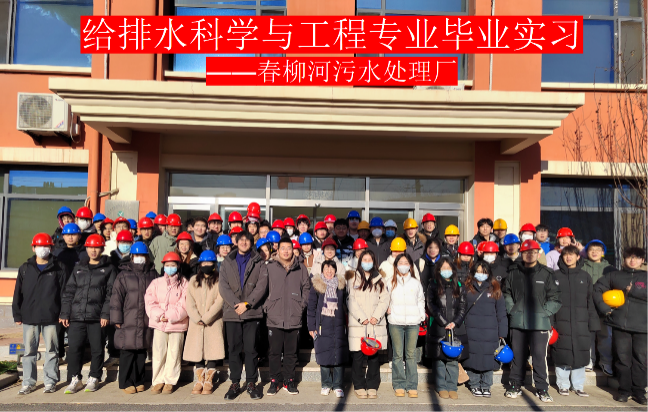
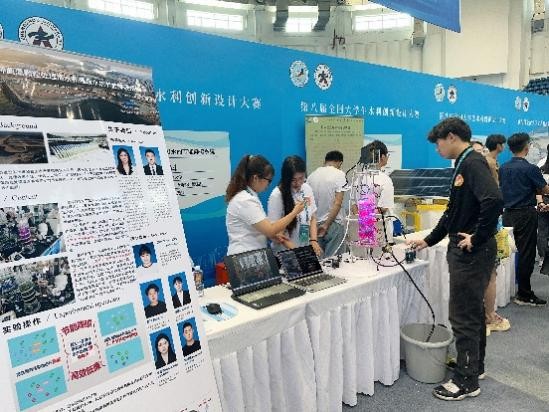
3. Water Supply and Drainage Science and Engineering Program
The Water Supply and Drainage Science and Engineering program was established in 1985 (at the college level), upgraded to undergraduate level in 1996, and began undergraduate enrollment in the same year. Currently, only our university in Dalian offers the Water Supply and Drainage Science and Engineering program. The program currently has 9 full-time teachers, including 2 associate professors and 7 lecturers; 7 hold doctoral degrees. There is 1 dual-qualified teacher. The teachers' educational background structure and academic origin structure are relatively reasonable. Among the teachers, 3 hold professional qualification certificates (Registered Public Facility Engineer, Environmental Assessment Engineer), and 6 are master's supervisors.
Program Characteristics and Career Prospects:
Program Characteristics: The characteristic of this program is emphasizing the organic combination of theory and engineering practice, attaching importance to systematic training in basic theories, professional knowledge, and basic skills, cultivating students' knowledge, skills, and comprehensive abilities in engineering planning, design, construction, operation, and management in the field of water supply and drainage science and engineering, with emphasis on engineering practical ability cultivation. Combining our university's marine characteristics and the favorable factors of Dalian's developed aquaculture industry, professional knowledge of aquaculture recirculating water process design and aquaculture wastewater resource utilization engineering design and construction is added, cultivating professional talents for regional economic development. The cultivated students have broad knowledge, solid foundations, and broad employment fields.
Career Direction: Graduates of this program can mainly engage in work related to urban water supply and drainage, building water supply and drainage, industrial water supply and drainage, and urban water systems, and can also continue to pursue master's degrees in disciplines related to water supply and drainage science and engineering.
4. Building Environment and Energy Application Engineering Program
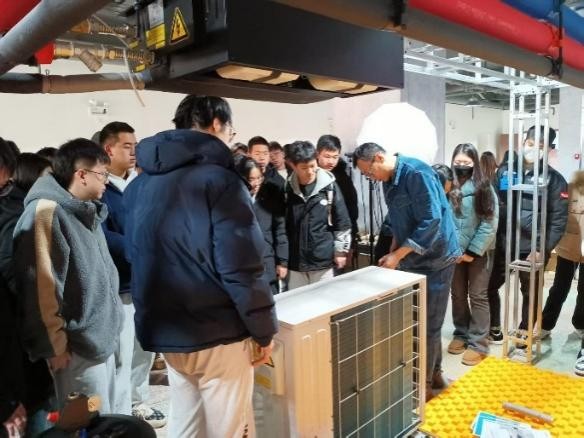
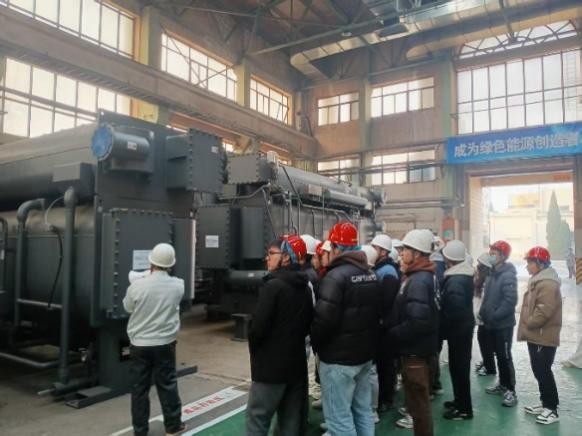
The Building Environment and Energy Application Engineering program began its first enrollment in 2004 and has cultivated nearly a thousand building energy professionals to date. The program currently has 9 full-time teachers and 4 external part-time teachers. Among the full-time teachers, there is 1 professor, 4 associate professors, and 4 lecturers. Seven teachers hold doctoral degrees, and two teachers possess Registered Public Facility Engineer (HVAC) qualification certificates. The program has formed a teaching and research collective that is in the prime of life, has a reasonable knowledge structure, and possesses team spirit and innovation consciousness.
Program Characteristics and Career Prospects:
Program Characteristics: Relying on the characteristic disciplinary advantages of Dalian Ocean University, serving the construction of a strong maritime nation and regional economic development, and actively expanding international exchanges and cooperation. The program emphasizes the cultivation of students' progressive practical application abilities throughout the entire process, attaches importance to systematic training in basic theories, professional knowledge, and basic skills, is guided by social needs, highlights the characteristics of industry-education integration and collaborative education, and focuses on cultivating students' skills and comprehensive abilities in engineering planning, design, construction, operation, and management in fields such as building living environments and building energy efficiency.
Career Prospects: Graduates have broad employment prospects and can engage in technical and management work such as planning and design, research and development manufacturing, construction installation, management operation, and system guarantee in heating, air conditioning, ventilation, purification, cold and heat sources, etc., in design institutes, engineering companies, equipment manufacturing enterprises, and management departments. They can also continue to pursue master's degrees in related disciplines such as thermal energy engineering, power engineering and engineering thermophysics, civil and water conservancy engineering, etc.
IV. Talent Cultivation Effectiveness
1. Outstanding Alumni
(1) Gao Zhaofu, alumnus of the 1980 class of Fishery Harbor Architecture, Deputy General Manager and Technical Director of Lianyungang Port Engineering Construction Group Co., Ltd., National Model Worker, National May 1st Labor Medal, Ministry of Communications Science and Technology Talent, Jiangsu Province Outstanding Young and Middle-aged Expert, Jiangsu Province Outstanding Intellectual, Jiangsu Province 333 Project Academic Leader, Lianyungang City 751 Project Academic Leader, Lianyungang City Science and Technology Top Talent. Projects and technological research and development led or participated in have received 3 national invention patents, National Invention Patent Gold Award, 2 utility model patents, National Science and Technology Progress Second Prize, Jiangsu Province Science and Technology Progress Second Prize, Lianyungang City Science and Technology Progress First Prize, Third Prize, and Huaihai Engineering Award First Prize.
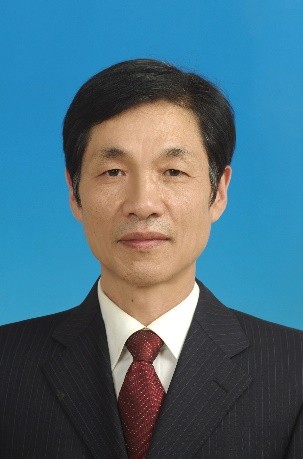
Gao Zhaofu
(2) He Rongyu, alumna of the 1987 class of Port and Waterway Engineering, Deputy Party Secretary and General Manager of Fujian Port Engineering Co., Ltd., a subsidiary enterprise of Fujian Port Group Co., Ltd., National Women's Achievement Model, Fujian Provincial Department of Communications Transportation Women's Expert, Fuzhou City Outstanding Female Employee, Fuzhou Federation of Trade Unions Advanced Female Employee Worker, Fujian Province Women's Achievement Model, Group Advanced Worker, Excellent Manager, Top Ten Outstanding Employees, Outstanding Contribution Award. She has long been committed to the field of port and waterway engineering construction and is an expert in the Ministry of Communications Water Transport Engineering Expert Database and a senior expert in the Fujian Province Port and Waterway Engineering Expert Database.
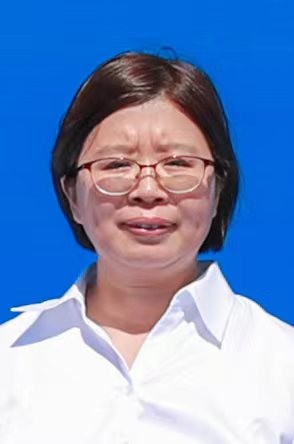
He Rongyu
(3) Chen Guoqiang, alumnus of the 1988 class of Port and Waterway Engineering, Secretary and Deputy Director, Researcher of the Fishery Engineering Research Institute of the Chinese Academy of Fishery Sciences, concurrently Vice President of the Agricultural Engineering Branch of the China Engineering Construction Standardization Association, and member of the National Fisheries Professional Standardization Technical Committee. He has led or participated in the planning, consulting, and design of over 100 national-level central fishery ports and first-class fishery port construction projects, receiving 2 second prizes and 1 third prize of the National Agriculture Excellent Engineering Consulting Achievements, 1 third prize of the National Agriculture Excellent Engineering Design Achievements, and 1 second prize of the Ministry of Agriculture Excellent Engineering Consulting Achievements. He has led or participated in the completion of over 10 provincial/ministerial-level and Chinese Academy of Fishery Sciences-level key scientific research projects, receiving 1 second prize of the Chinese Academy of Fishery Sciences Science and Technology Progress Award.
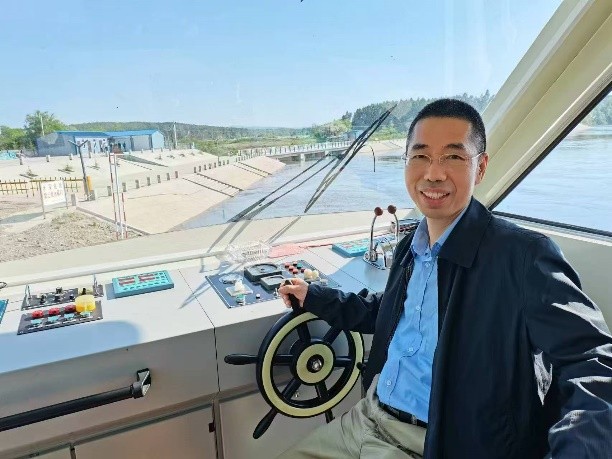
Chen Guoqiang
(4) Chen Zongping, alumnus of the 1993 class of Port, Waterway and Coastal Engineering, Professor, Doctoral Supervisor, leader of the fourth direction Key Technologies for Disaster Prevention and Mitigation of Ethnic Architecture of the World-Class Discipline in Civil Engineering Construction at Guangxi University, academic leader of the National Key Discipline of Structural Engineering, Deputy Director of the Ministry of Education Key Laboratory of Engineering Disaster Prevention and Structural Safety, candidate of the National Hundred, Thousand, and Ten Thousand Talents Project, National Outstanding Young and Middle-aged Expert, State Council Special Government Allowance Expert, Baosteel Excellent Teacher Award, the fifth batch of Bagui Scholar of Guangxi Zhuang Autonomous Region, the ninth batch of Outstanding Expert of Guangxi Zhuang Autonomous Region, Guangxi May 1st Labor Medal recipient. He has received 11 national and provincial/ministerial-level important science and technology awards.
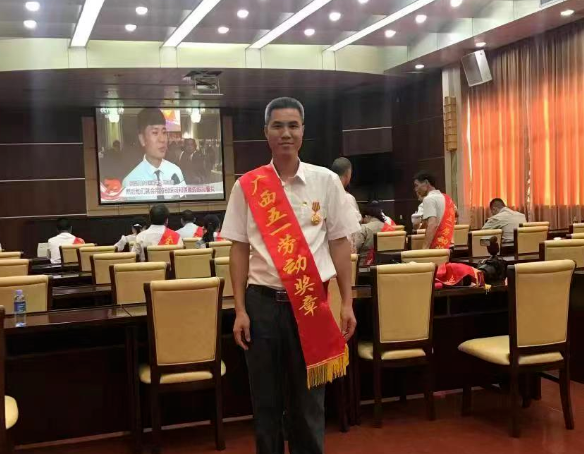
Chen Zongping
(5) Kang Songtao, alumnus of the 1994 class of Port, Waterway and Coastal Engineering, Deputy General Manager and Chief Engineer of CCCC First Harbor Engineering Company Third Engineering Co., Ltd., 2014 Liaoning Province Construction Industry Enterprise Excellent Project Manager, 2016 National Water Transport Engineering Construction Excellent Project Manager, 2017 Dalian City Green Building Industry Excellent Enterprise Manager, 2017 National Engineering Construction Excellent Project Manager, 2017 Highway Construction Industry Association Science and Technology Innovation Talent. He has successively presided over and organized the construction of many major projects such as Dalian Xianglujiao Dock Project, Lvshun COSCO No. 1 and No. 2 Dock Projects, Dalian Southern Coastal Avenue Project, Guangdong Province Nan'ao Bridge Project, Far South Island and Reef Project, and Yumo Railway Project. Many projects he presided over or participated in have received national and provincial/ministerial-level awards.
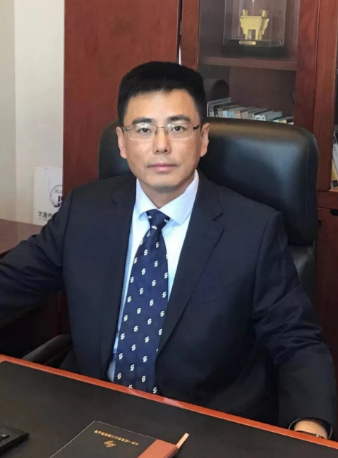
Kang Songtao
(6) Zhao Yunpeng, alumnus of the 1998 class of Civil Engineering, Professor of Dalian University of Technology, Doctoral Supervisor, Research Direction Leader of the State Key Laboratory of Coastal and Offshore Engineering, Ministry of Education Chang Jiang Scholar Distinguished Professor, National Excellent Youth Fund, China Highly Cited Scholar, Stanford Global Top 2% Scientist, Liaoning Province Xingliao Yingcai Youth Top Talent. Scientific research achievements have won more than ten provincial/ministerial-level awards including the 2020 Liaoning Province Science and Technology Progress First Prize and the 2015 Ministry of Education Science and Technology Progress First Prize, playing a crucial scientific and technological support and demonstration role in the national development of maritime territory and construction of blue granary.
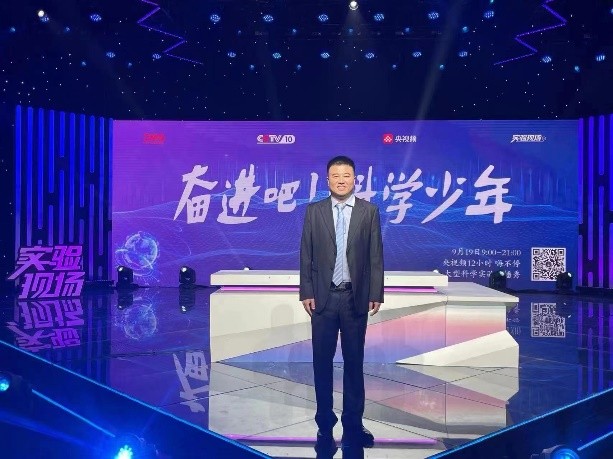
Zhao Yunpeng
2. Achievements in Ideological and Political Education
The college closely revolves around the university's overall goal of developing high-level undergraduate education, adheres to the comprehensive implementation of the Five Educations (cultivating morality, intelligence, physical fitness, aesthetics, and labor) to nurture people, integrates ideological and political work throughout the entire education and teaching process, achieves all-member education, whole-process education, and all-round education. The college has constructed a distinctive ideological and political education system called 1135N (adhering to one goal, grasping one main line, building three-dimensional platforms, constructing five positions, and implementing N measures). The goal is to inherit the craftsmanship spirit and cultivate new-generation talents for building a strong maritime nation. With ideological and political guidance as the main line, the college builds party building work platforms, scientific and technological innovation platforms, and academic atmosphere construction platforms. It constructs 'one-stop' student community construction positions, online ideological and political education positions, mental health education positions, volunteer service practice positions, and student cadre team building positions. The college implements one themed educational activity each month, comprehensively implements the new-generation talent cultivation project, promotes the innovation and development of student ideological and political education work while maintaining integrity, and cultivates more socialist builders and successors who strive to compose the maritime chapter and Liaoning chapter of Chinese-style modernization.
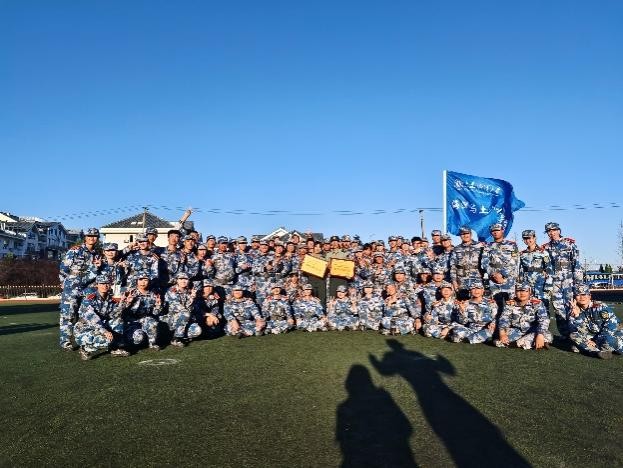
2024 Freshmen Military Training
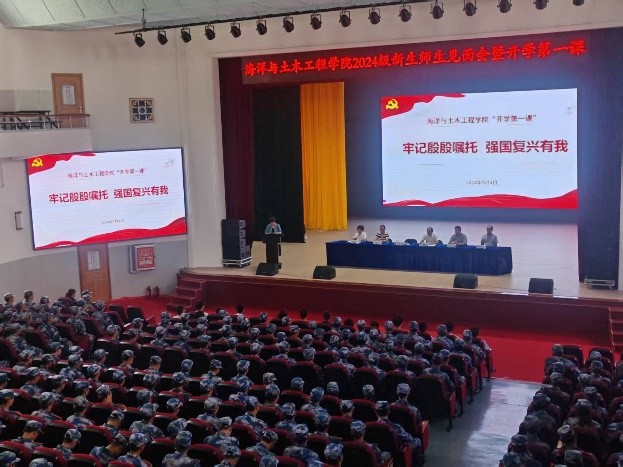
2024 Freshmen First Science Class
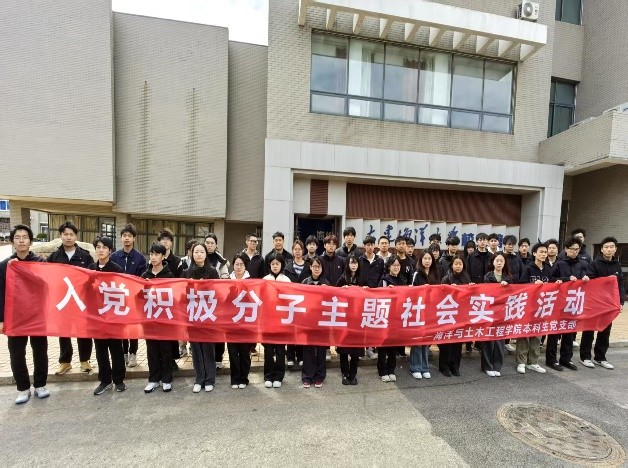
Party Membership Activists Conduct Themed Social Practice Activities
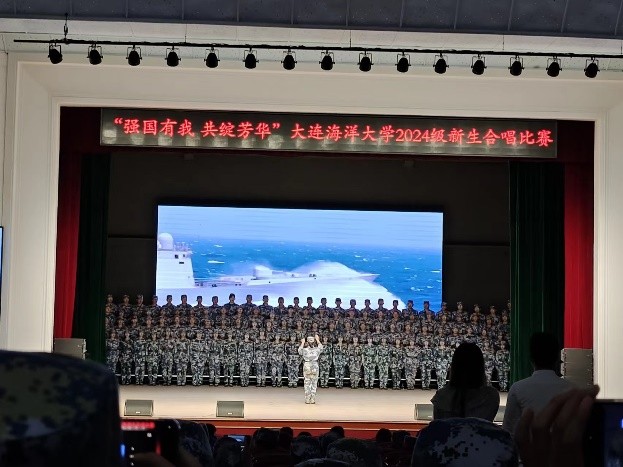
Freshmen Participate in Chorus Competition
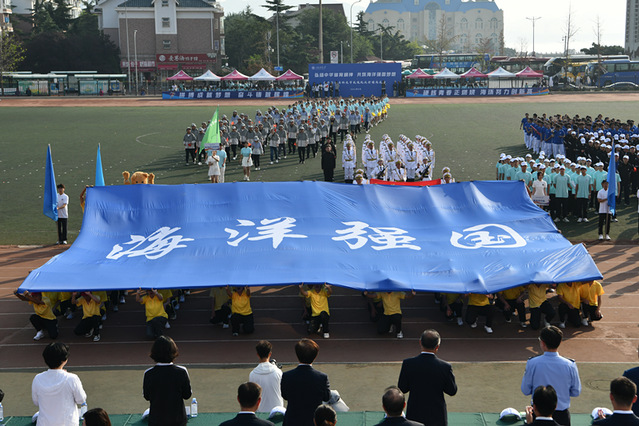
Students Participate in the 40th Track and Field Games
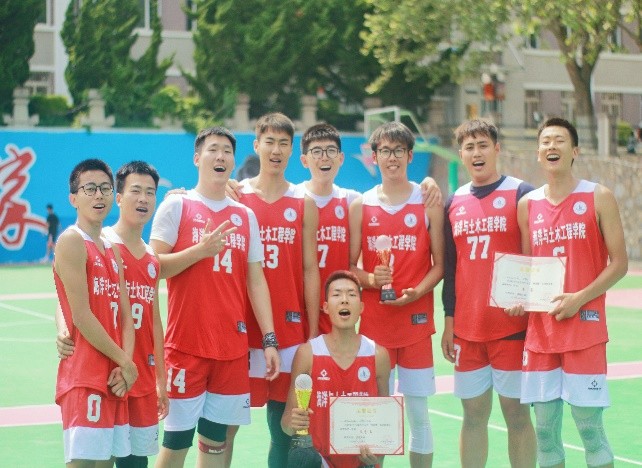
Students Participate in Haolang Cup Basketball Competition
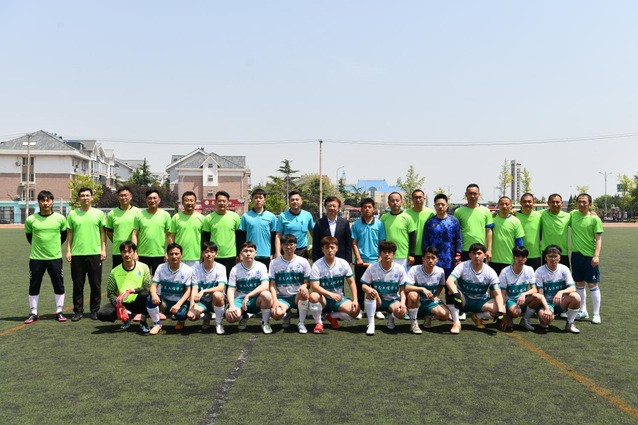
Students Participate in Black Horse Cup Football Competition
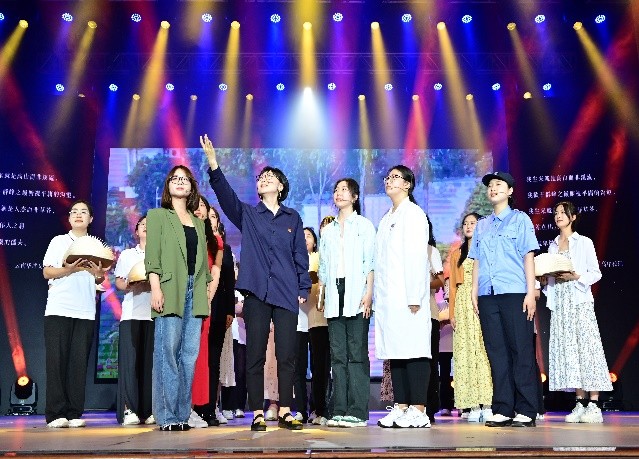
Students Participate in Ideological and Political Drama Performance
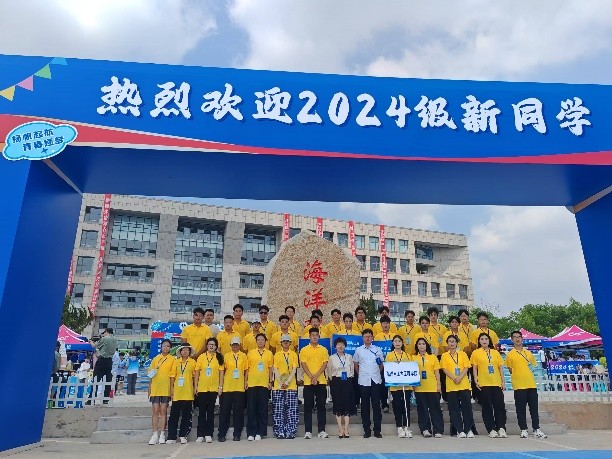
Students Participate in Welcoming Activities
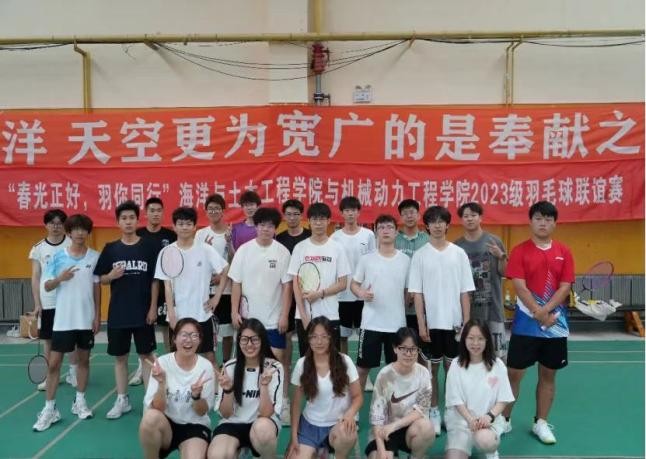
Students Participate in Badminton Friendly Match
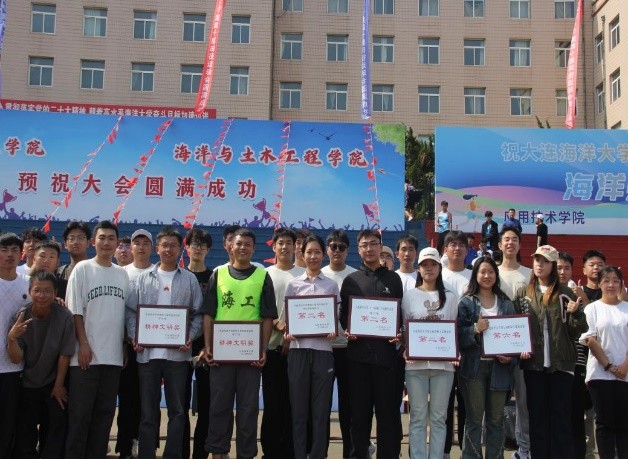
Students Achieve Excellent Results in University Track and Field Games
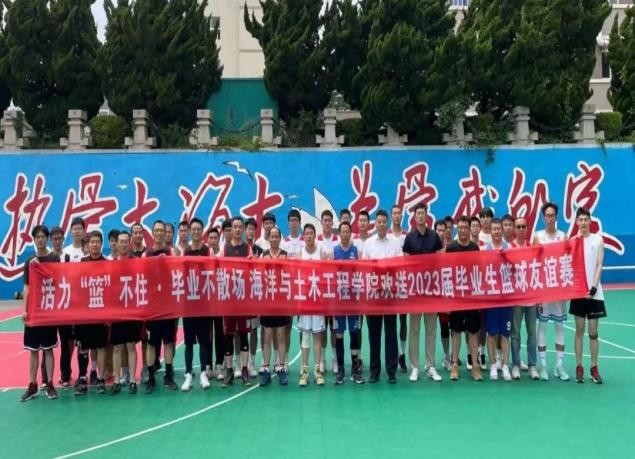
College Organizes Graduate Teacher-Student Basketball Friendship Match
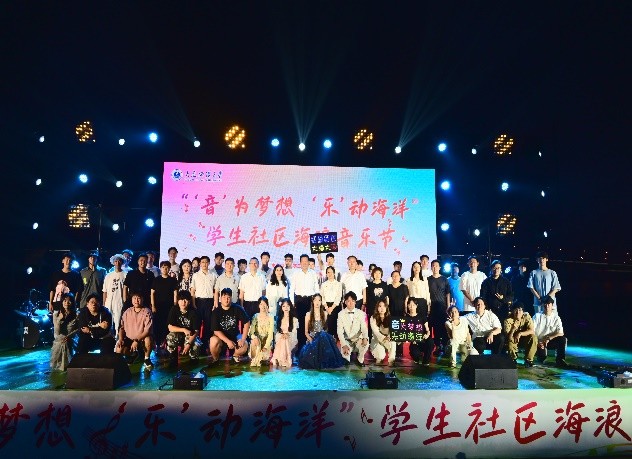
College Organizes Haolang Music Festival
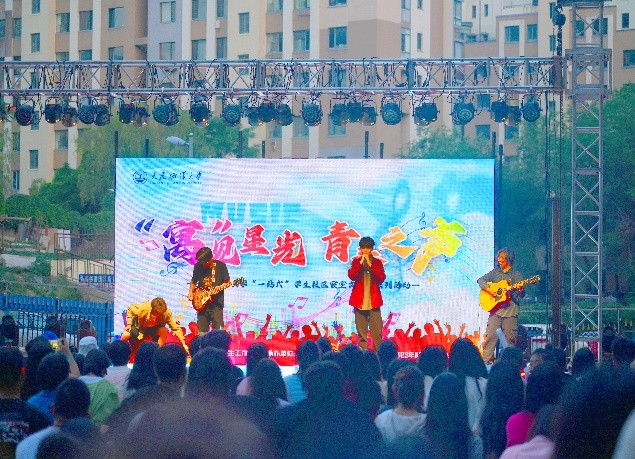
College Organizes Student Apartment Music Festival
3. Achievements in Scientific and Technological Innovation
Scientific and Technological Innovation Competitions: The college emphasizes the cultivation of students' scientific and technological innovation abilities, and has established 8 scientific and technological innovation student associations including Drawing Association, Water Supply and Drainage Science and Technology Innovation Association, Engineering Structure Association, Green Building and Innovation Technology Association, Water Conservancy Association, Mechanics Association, Surveying Association, and BIM Project Management Association. Each association implements a dual-tutor system, with one full-time teacher and one Youth League Committee teacher jointly serving as instructors, strengthening technical and operational guidance for the associations.
Relying on scientific and technological innovation associations, the college organizes various scientific and technological innovation competitions, encouraging students to promote the scientific spirit and devote themselves to innovation and creation. In recent years, the college has achieved good results in national, provincial, municipal, and industry-level scientific and technological innovation competitions, significantly enhancing students' scientific awareness and innovation abilities.
(1) Gaojiao Cup National College Student Advanced Drawing Technology and Product Information Modeling Innovation Competition: 16th edition: 2 second prizes, 2 third prizes; 17th edition: 2 second prizes, 5 third prizes
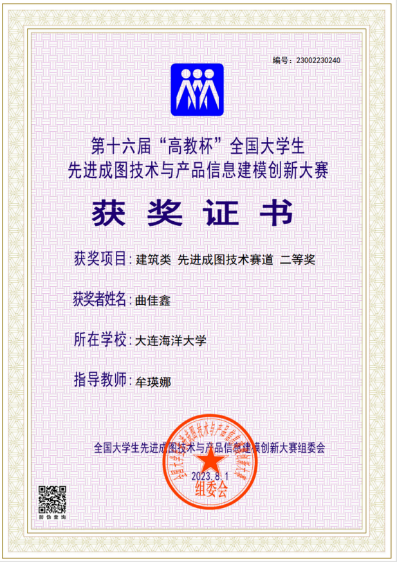
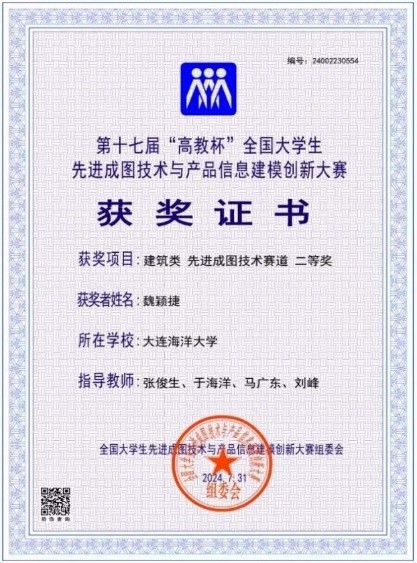
Gaojiao Cup National College Student Advanced Drawing Technology and Product Information Modeling Innovation Competition Award Certificate
(2) National College Student Energy Conservation and Emission Reduction Social Practice and Science and Technology Competition: 16th edition: 4 third prizes; 17th edition: 1 second prize, 3 third prizes
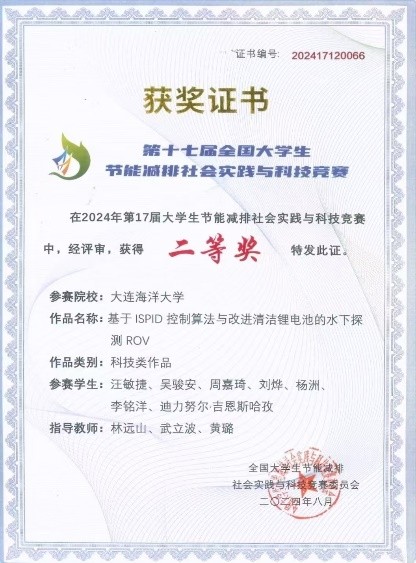
National College Student Energy Conservation and Emission Reduction Social Practice and Science and Technology Competition Award Certificate
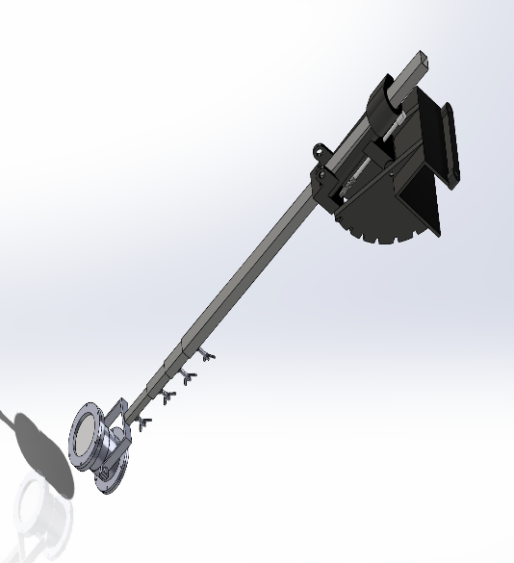
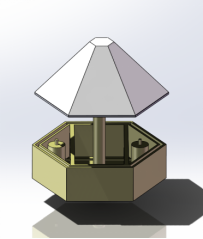
Entries Participating in National College Student Energy Conservation and Emission Reduction Social Practice and Science and Technology Competition
(3) National College Student Structural Design Competition: 14th edition: 1 third prize; Liaoning Provincial College Student Structural Design Competition; 14th edition: 1 first prize, 1 second prize, 1 Best Model Award, 1 Best Creative Award; 16th edition: 2 second prizes, 1 third prize; 17th edition: 2 second prizes
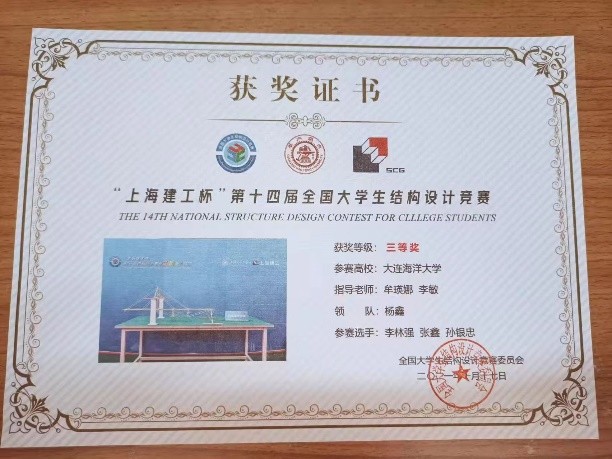
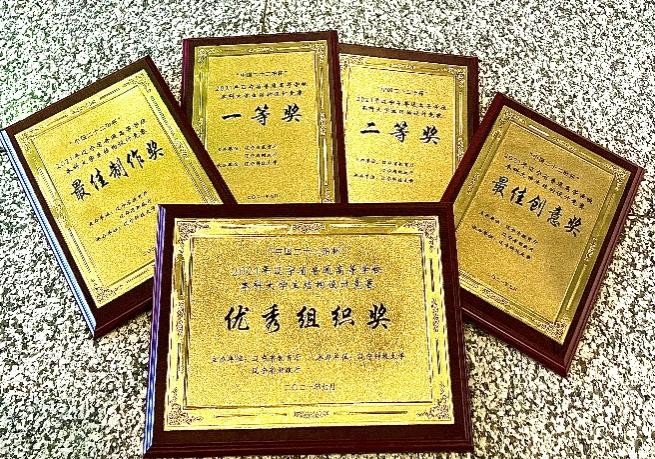
National College Student Structural Design Competition Award Certificate
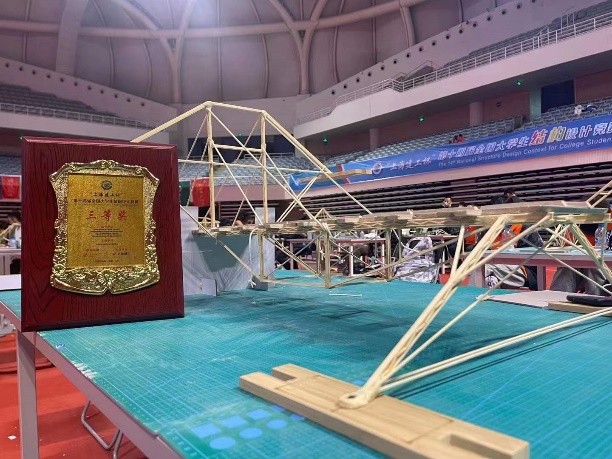
Entries for National College Student Structural Design Competition
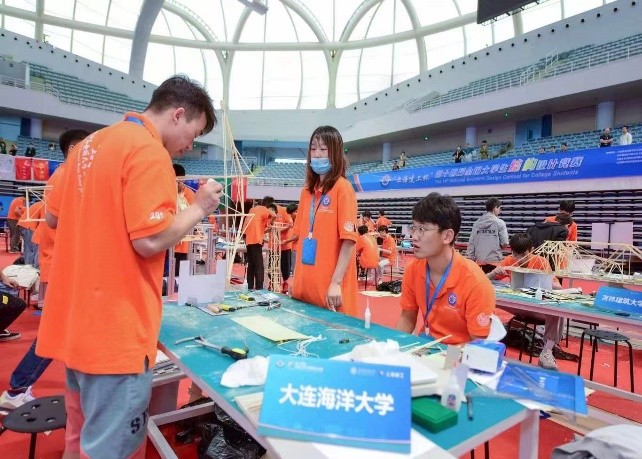
National College Student Structural Design Competition Venue
(4) 11th National College Student Rural Revitalization Innovation and Entrepreneurship Competition and Double Innovation Competition for Majors Related to Agricultural Building Environment and Energy Engineering: 1 grand prize, 1 second prize, 3 third prizes
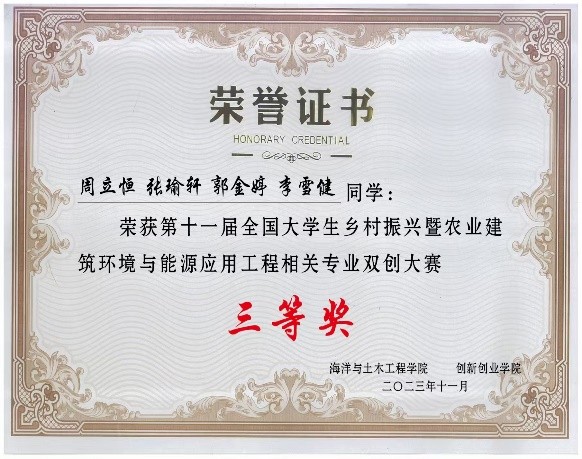
National College Student Rural Revitalization Innovation and Entrepreneurship Competition and Double Innovation Competition Award Certificate
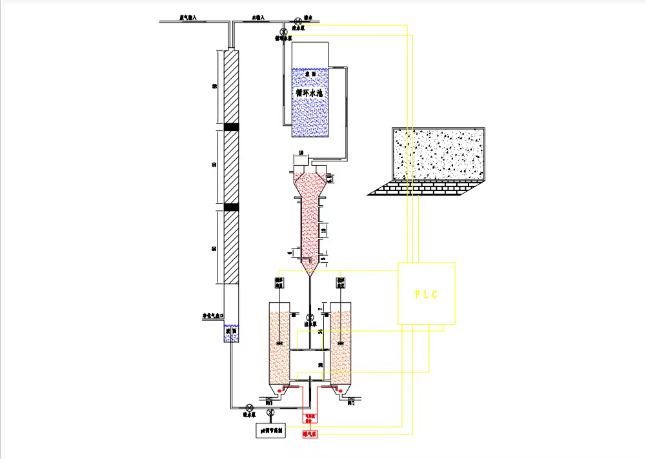
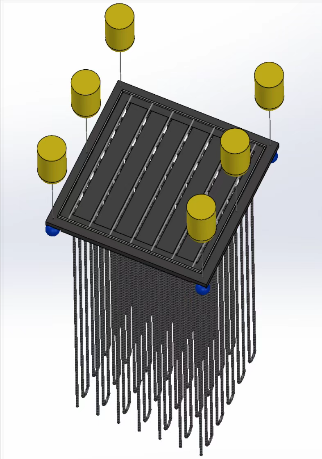
Entries for National College Student Rural Revitalization Innovation and Entrepreneurship Competition and Double Innovation Competition
(5) National College Student Water Conservancy Innovation Design Competition: 6th edition: 1 first prize; 7th edition: 3 first prizes; 8th edition: 2 first prizes
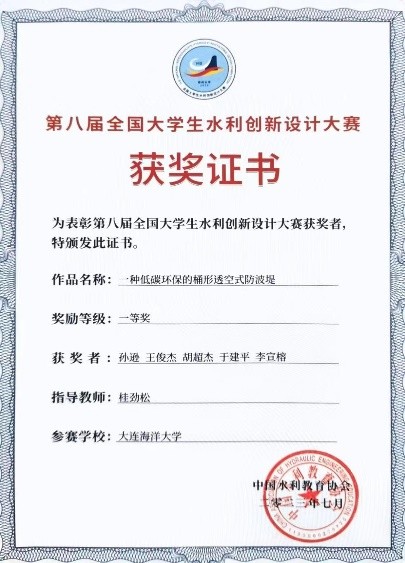
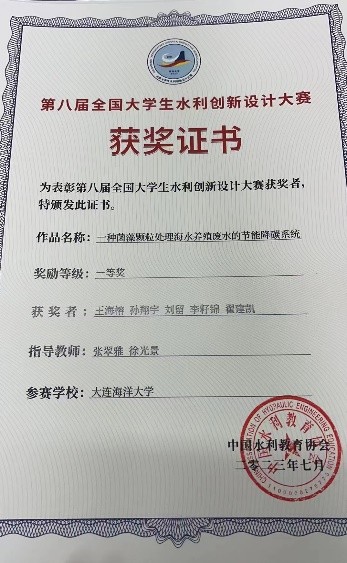
National College Student Water Conservancy Innovation Design Competition Award Certificate
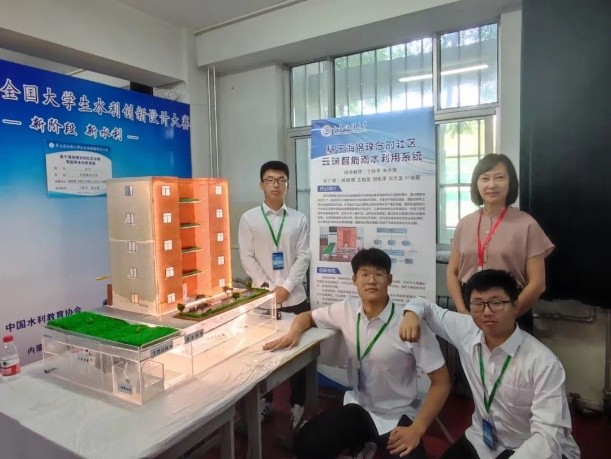
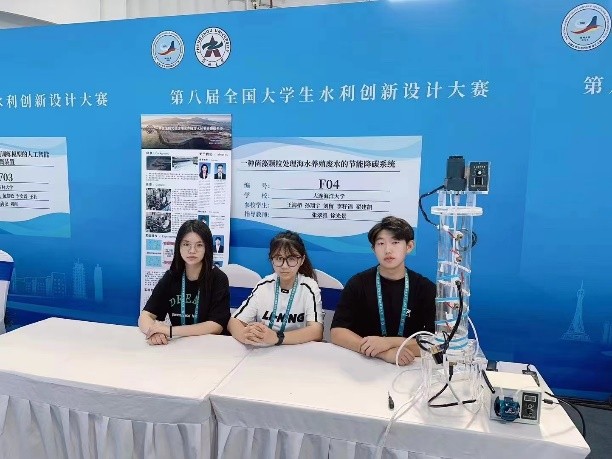
National College Student Water Conservancy Innovation Design Competition Venue
(6) 2024 Liaoning Provincial College Student Theoretical Mechanics Competition: 1 second prize, 1 third prize
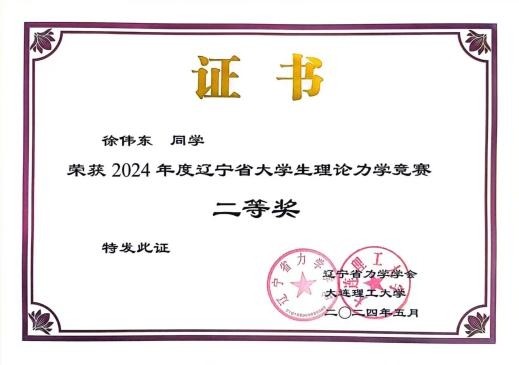
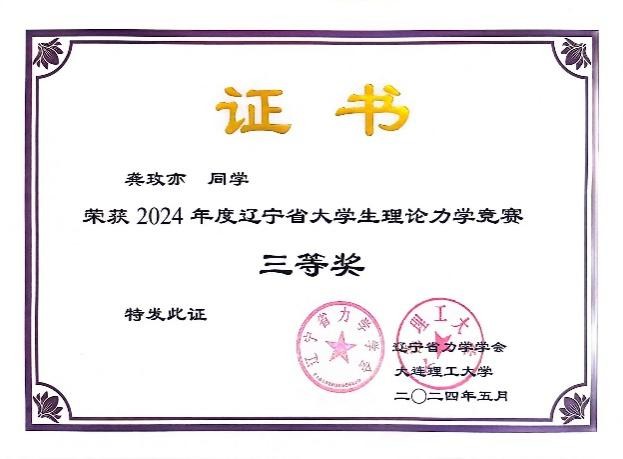
Liaoning Provincial College Student Theoretical Mechanics Competition Award Certificate
(7) 2024 Liaoning Provincial College Student Material Mechanics Competition, 1 first prize, 1 second prize, 1 third prize (with illustration)
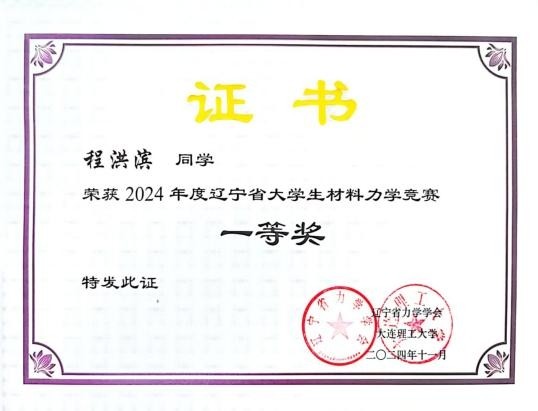
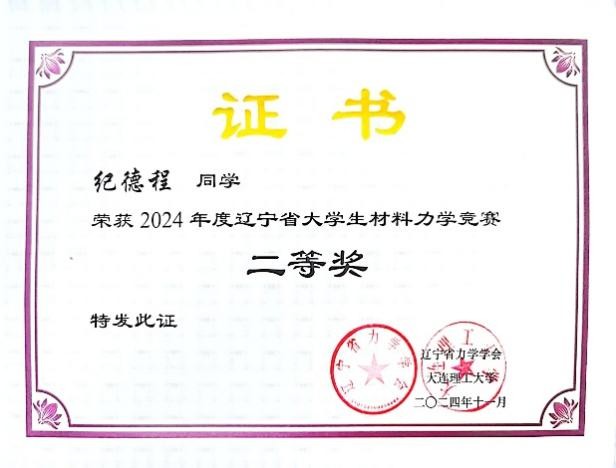
Liaoning Provincial College Student Material Mechanics Competition Award Certificate
(8) 9th Dalian Surveying and Geographic Information Star Competition: Large-scale Digital Mapping Competition Group First Prize; Group Comprehensive Competition Second Prize
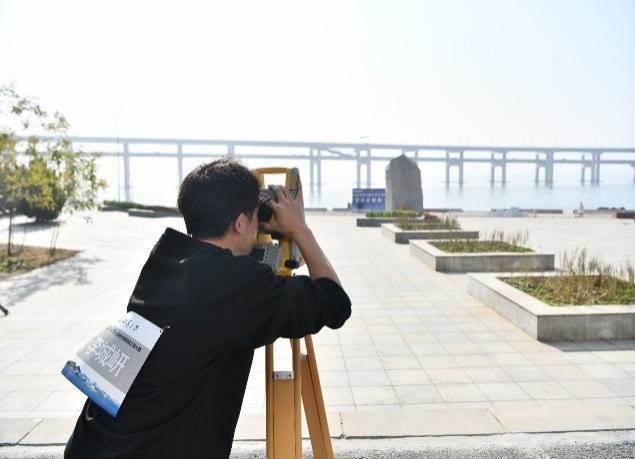
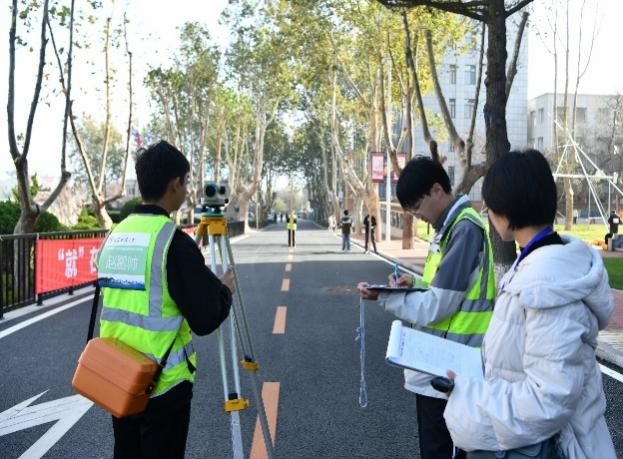
Dalian Surveying and Geographic Information Star Competition Venue