1. College Overview
The School of Economics and Management started in 1982 as the Dalian Fisheries College Class of the National Aquatic Products Bureau Cadre Training Program, and was officially renamed the School of Economics and Management in 2002. The school currently has three departments: Business Administration, Agricultural and Forestry Economics Management, and Economics and Finance, covering the two major fields of management and economics. It has a first-level discipline master's degree program in Business Administration, as well as three second-level discipline master's degree programs in Accounting, Enterprise Management, and Technical Economics and Management. Additionally, it offers two agricultural master's degree fields: Rural Development and Agricultural Management.
2. Scientific Research Achievements and Research Teams
During the 14th Five-Year Plan period, the School of Economics and Management focused on implementing a series of forward-looking and innovative scientific research projects centered around strategic needs such as the high-quality development of the national marine economy. The project Research on the Mechanism and Policies for High-Quality Development of Marine Ranching in China, led by Professor Zhao Wanli, received funding from the National Social Science Foundation General Project, becoming an important milestone in the university's humanities and social sciences field. Additionally, the school has obtained multiple provincial and ministerial-level projects covering various practical application areas such as marine economic statistical accounting and green development of fisheries. The school has published over 30 high-level papers indexed by Peking University Core or CSSCI, and received multiple levels of scientific research awards, such as the third prize of the 9th Liaoning Provincial Philosophy and Social Sciences Award·Achievement Award.
3. Disciplines and Programs
The school offers five undergraduate programs: Accounting, Marketing, Agricultural and Forestry Economics Management, Economics and Finance, and Big Data Management and Application. It also provides multiple graduate student cultivation programs, including the first-level discipline master's degree program in Business Administration and related second-level discipline master's degree programs, as well as two agricultural master's degree fields: Rural Development and Agricultural Management. The establishment of these programs aims to meet society's demand for composite applied talents.
4. Talent Cultivation Effectiveness
Since its establishment, the School of Economics and Management has trained and provided over 10,000 intermediate and senior specialized talents for the nation. In the past five years, students have achieved remarkable results in various professional skill competitions at all levels, winning a total of 9 national awards, 112 provincial awards, and 28 municipal awards. Through mechanisms such as the mentor system and project participation, the school ensures that every graduate student receives sufficient training and growth. Simultaneously, the school actively promotes campus culture construction, initiating the Three E student quality development projects including E-Sea Sailing, E-Sea Singing, and E-Sea Deep Affection, committed to improving students' comprehensive quality and social competitiveness.
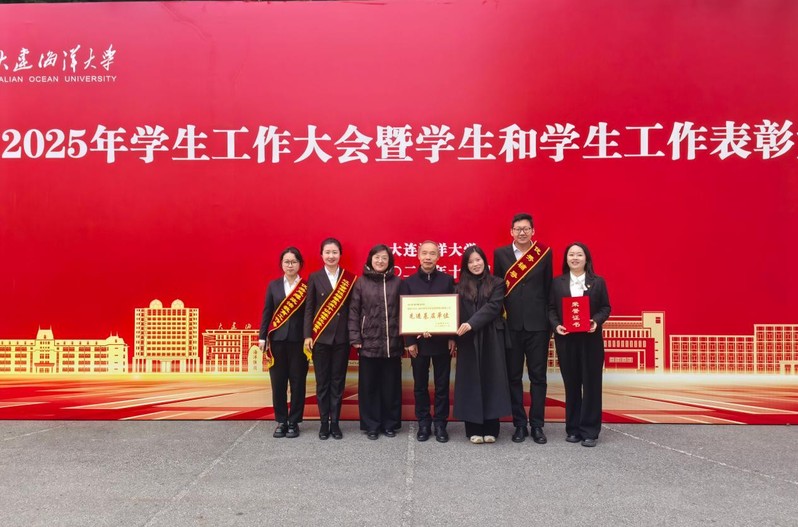
School of Economics and Management Awarded as Advanced Grassroots Unit in College Student Ideological and Political Education Work for 2024-2025 Academic Year
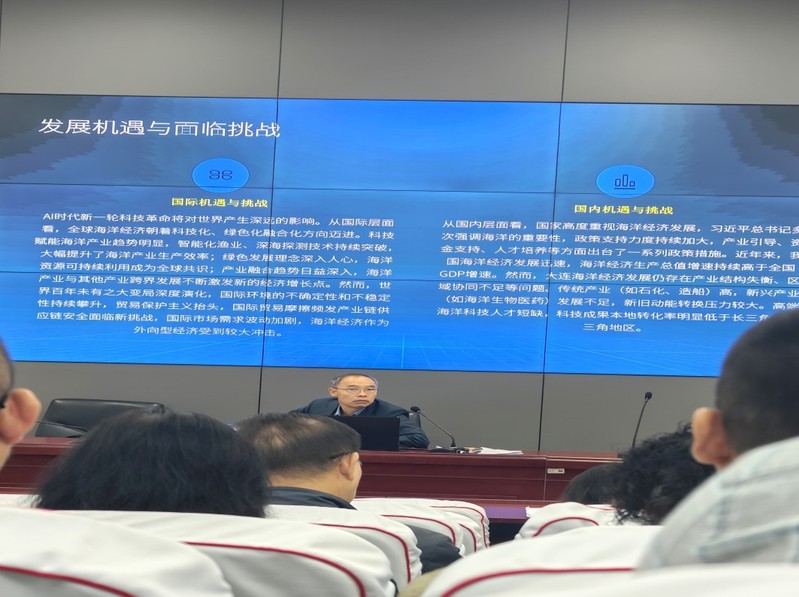
Dean Zhao Wanli Delivers Report at the City's Special Seminar on Accelerating High-Quality Development of Marine Economy
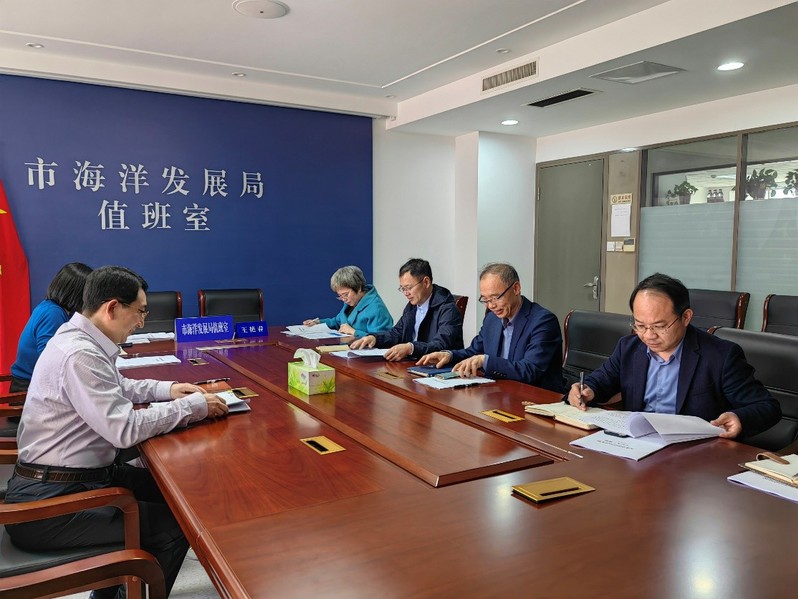
School of Economics and Management Actively Promotes the Formulation of Dalian's 15th Five-Year Plan for Marine Economic Development
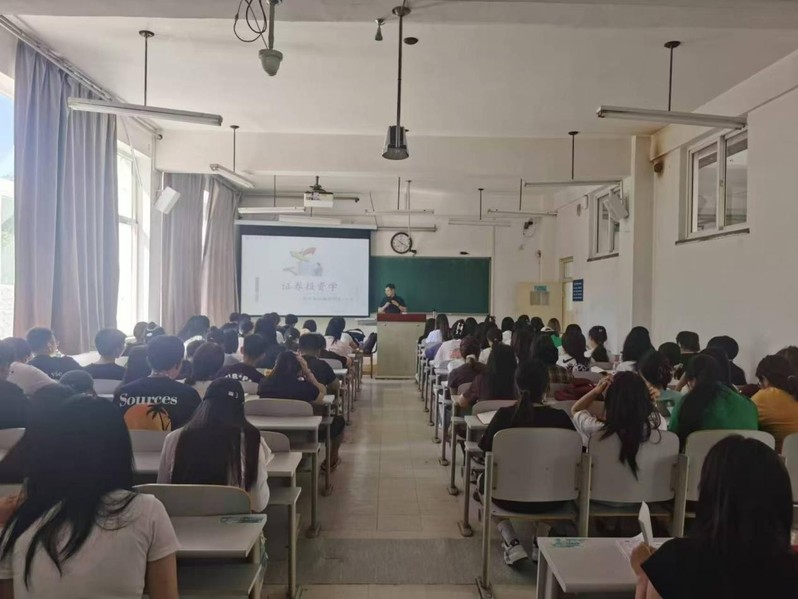
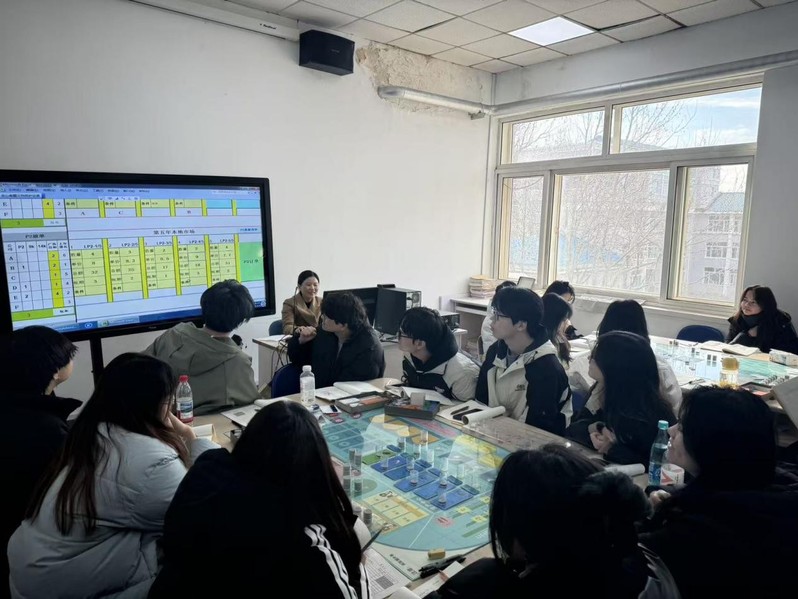
Photos of Teaching Activities at School of Economics and Management